
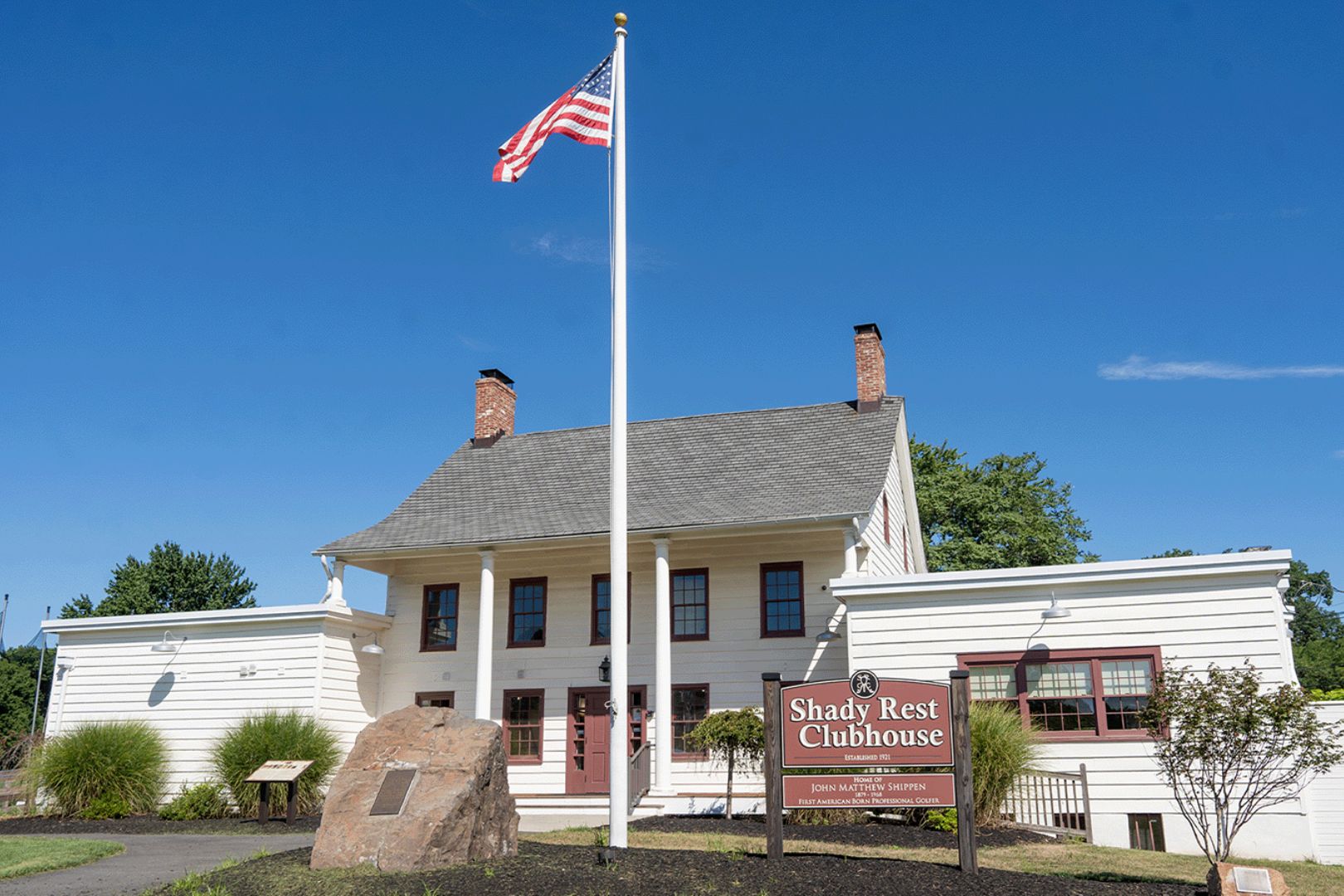
The Situation
A historic country club, once the first African American–owned and operated facility of its kind in the United States, stood as a powerful symbol of resilience, culture, and achievement. With a legacy that touched sports, music, politics, and community life, the site carried national significance but required renewed investment and attention to preserve its story for future generations. Leaders committed to the revitalization effort sought not only architectural expertise but also the marketing, fundraising, and creative vision needed to bring the project to life.
The Challenge
Preservation efforts of this scale require more than restoring buildings. The challenge was to honor the cultural and historic importance of the site while equipping the project with the strategic tools needed to secure funding and generate momentum. With its ties to figures such as John Shippen—the first African American professional golfer—and Althea Gibson—a trailblazing tennis champion—the site demanded a thoughtful balance between historical integrity and modern reimagining.
The Approach
Our team was invited to contribute complementary expertise alongside the lead architects. The focus was on providing the materials and strategies that would help potential funders, partners, and community members see the vision clearly. Key contributions included:
- Developing cohesive marketing materials to convey the significance and urgency of the project.
- Designing a fundraising strategy to attract and engage supporters at multiple levels.
- Producing conceptual design renderings to visualize restored interior spaces.
The renderings brought the project to life, reimagining the basement-level speakeasy—once a gathering place for legendary jazz artists like Ella Fitzgerald and Count Basie—as well as interpretive exhibit spaces dedicated to Shippen and Gibson. Together, these visual and strategic elements allowed stakeholders to connect emotionally and practically with the restoration effort.
The Results
Through this engagement, the project was equipped with tools to advance both visibility and fundraising. The marketing collateral provided a clear and compelling narrative, the fundraising strategy gave leaders a path to resource development, and the renderings created an inspiring preview of the restored clubhouse. These elements supported the broader preservation effort by giving advocates tangible resources to share with funders, community members, and the public.
The Impact
The revitalization of the country club represents far more than the restoration of a building—it is an effort to preserve and amplify a landmark of Black excellence and self-determination. By contributing marketing, fundraising, and design expertise, our team helped ensure that the project has the strategic foundation needed to succeed. The work supports a vision in which the site once again becomes a place of cultural pride and community connection, honoring its historic legacy while securing its future.