
The Situation
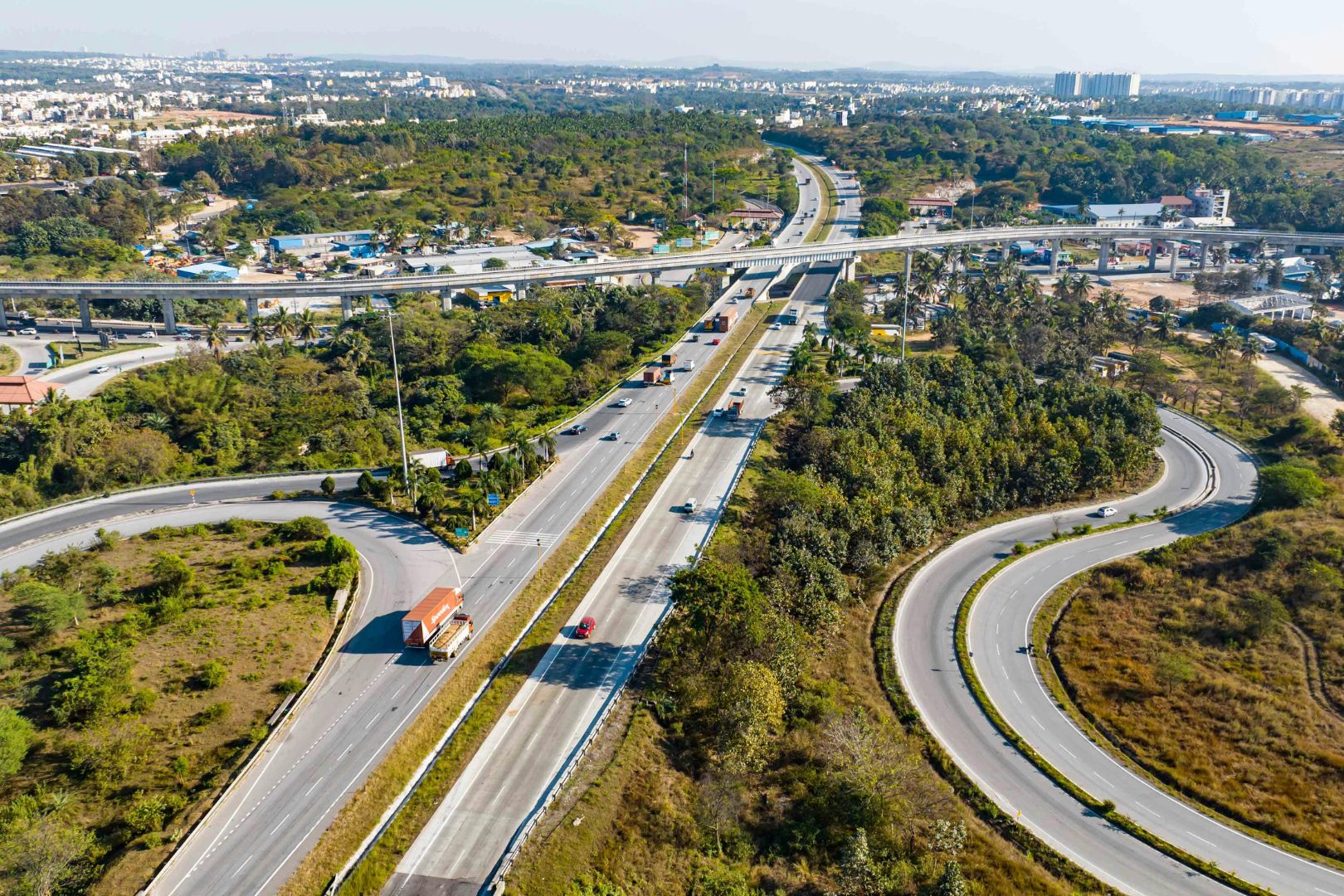
A small town stood at a crossroads in its development. Surrounded by regional projects—including a major highway interchange, the expansion of a nearby business park, and the redevelopment of industrial land—the community recognized both the opportunities and pressures of growth. Leaders sought to understand how best to position the town within this shifting landscape while preserving the historic character and sense of place that defined it.
The Challenge
Balancing growth with preservation required careful planning. The town needed strategies that could capitalize on regional investment while ensuring new development contributed to, rather than disrupted, its identity. Questions included how to strengthen commercial areas, modernize infrastructure, adapt zoning to meet changing demands, and activate natural assets such as the waterfront. Without a clear framework, the community risked being reactive to outside forces instead of proactively shaping its future.
The Approach
Our team was engaged to conduct a comprehensive economic impact study that assessed both opportunities and risks tied to regional development. The study combined data analysis with stakeholder input to develop strategies that aligned with the town’s values and long-term vision. Key recommendations included:
- Designating a new commercial corridor to attract and manage business growth.
- Improving infrastructure to support both residents and future development.
- Creating a mixed-use zoning overlay to foster vibrant, walkable spaces.
- Activating the waterfront as an anchor for community life and economic activity.
These strategies were designed to equip the town with tools to embrace growth on its own terms, ensuring development was both practical and aligned with community identity.
The Results
The final report provided leaders with a clear roadmap for action. It not only identified immediate steps but also outlined how the town could phase development over time, adapting to market trends while maintaining control over its future. By framing economic development as a proactive process, the study positioned the community as a key player in regional expansion rather than a passive bystander.
The Impact
The study offered more than technical recommendations—it reinforced a vision of growth rooted in character, balance, and opportunity. With clear strategies in hand, the town now has the tools to preserve what makes it unique while embracing change with confidence. By linking historic preservation with modern economic planning, the engagement created a foundation for long-term vibrancy and resilience.